
Making Cashew Work
for the communities that grow it
We are building an inclusive value chain for cashew-growing communities in Kenya. We support them adopt regenerative farming practices, community-level value addition and marketing of locally processed cashew products.
Issues of Concern
Cashew farming
alone no-longer pays
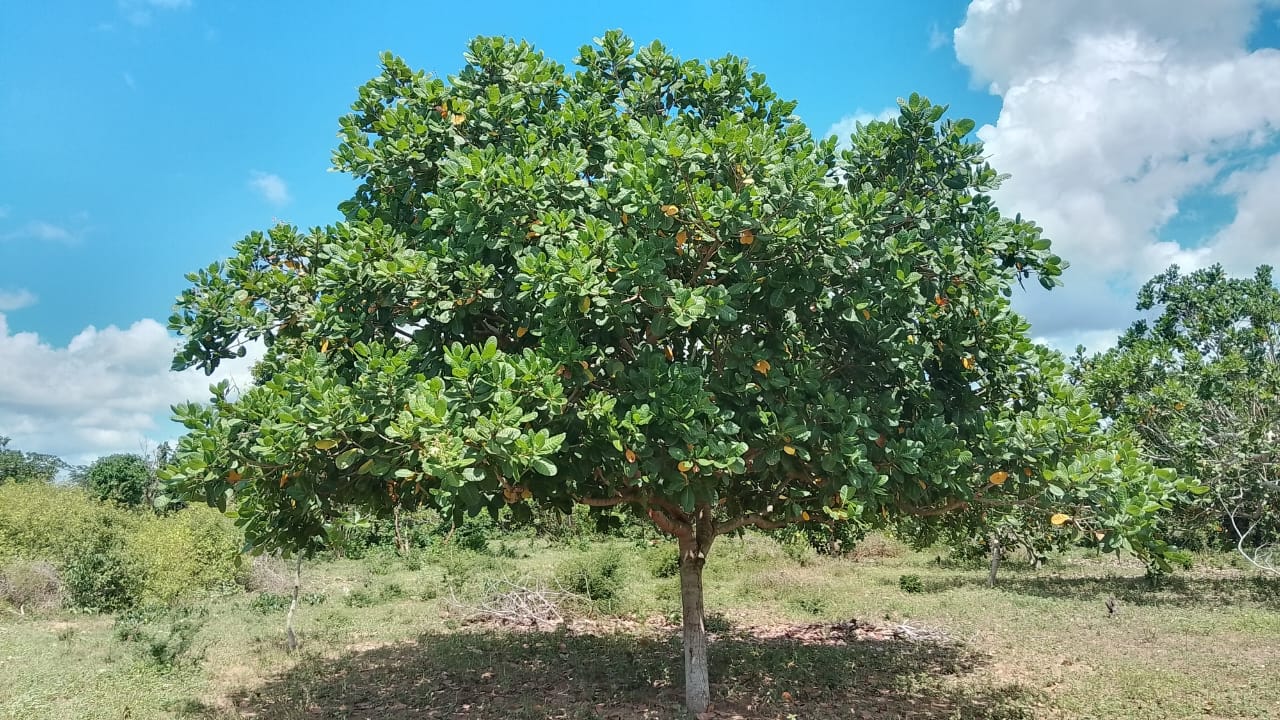
Farmers invest in time, resources and take all the associated risks to produce cashew but currently earn too little in return. Over the last 30 years, many farmers abandoned cashew even though no alternative crop has effectively filled in the gap in most areas.
As a result, most of the 61,000 cashew-growing families in Kenya struggle to meet basic needs like food, education, good housing and healthcare.
Negative
coping mechanisms
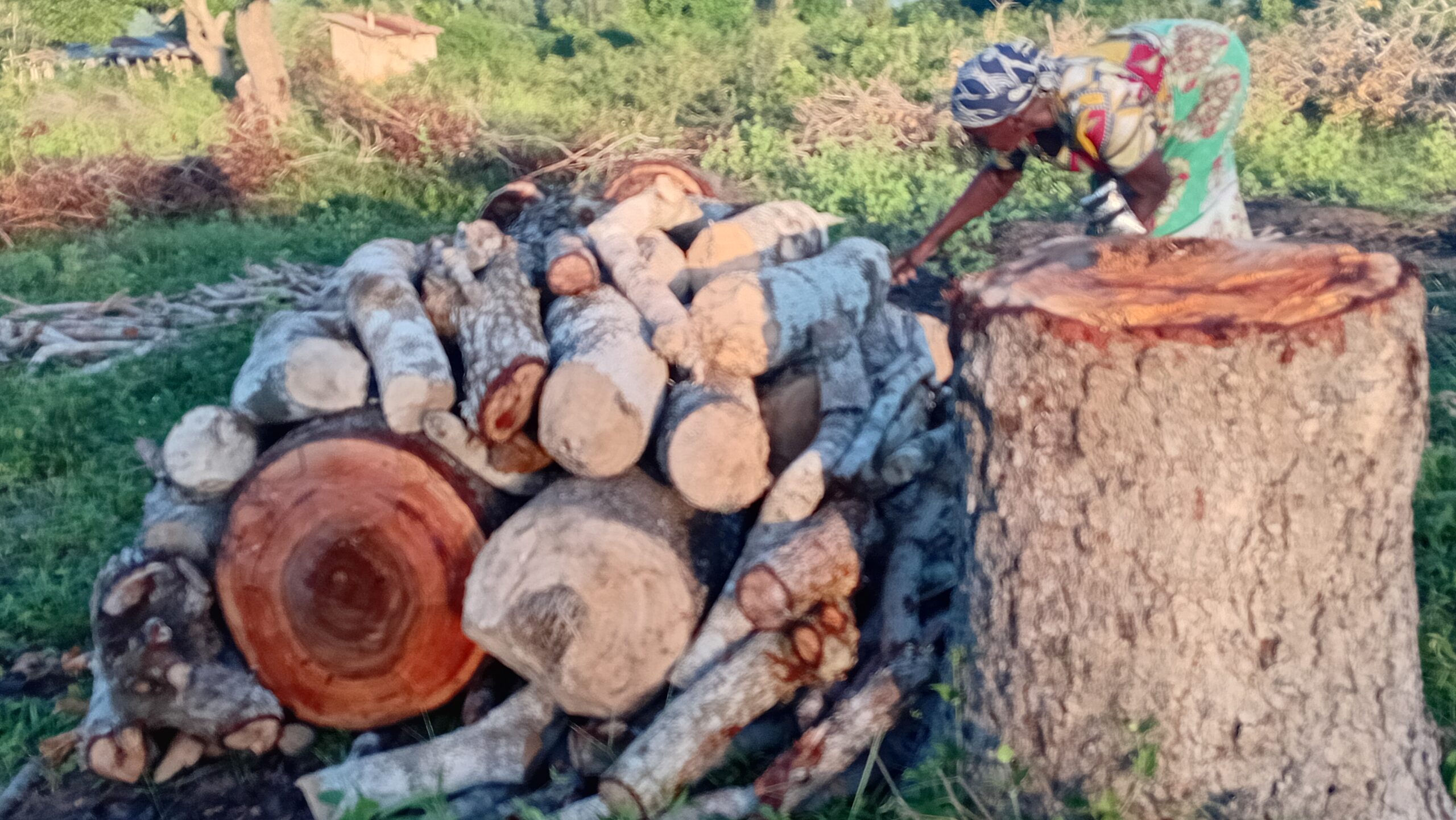
Due to climate change especially unreliable rainfall patterns in many cashew growing areas, alternative crops , mostly maize have failed to provide the food and finance families need. As a result, many families have turned to the charcoal business.
In the recent years, many cashew growing areas have suffered severe deforestation that further destroys the very ecosystem upon which livelihoods are anchored.
A huge un-utilized economic opportunity

Kenya has an installed capacity to process 45,000 MT of raw cashew nuts annually; but farmers produce only 8,300MT. Some processing companies have had to close while many others are operating way below their ideal operational levels.
To us, this scenario represents a significant economic loss in terms of jobs, associated businesses and an open market opportunity for farmers.
the resulting paradox
The three issues converge into a contradiction confronting Kenya’s cashew-growing communities: people living amidst enormous economic potential continue to struggle with hunger and poverty, while businesses, jobs and markets that could transform their livelihoods remain underutilized or disappear.
Our Philosophy
We believe that:
1. Poverty is not an inherent outcome of cashew farming
Cashew once provided good livelihoods for farming communities in Kenya. Its decline over the past 30 years reflects a broken value-sharing system in which farmers, despite sustaining the entire industry, have been left with an increasingly smaller share of the wealth it generates.
2. Farmers must participate in the activities that generate wealth
Growing raw cashew nuts alone is not enough. Farmers must organize and participate in aggregation, processing and marketing to strengthen their bargaining power and capture more value.
3. Farmers deserve fair markets and protection from exploitation
Restrictive legal barrier to export of raw cashew, weak farmer institutions and inadequate legal safeguards have limited farmers’ access to better paying markets and exposed them to extreme exploitation by buyers. A thriving cashew economy requires fair market access, strong farmer organizations and an enabling policy environment.
4. Cashew can once again become a foundation for resilient rural livelihoods
As climate change undermines the reliability of alternative crops, cashew offers a relatively climate-resilient economic opportunity. Restoring its profitability can help secure household incomes, restore the environment and rebuild rural prosperity.
Our Theory of Change
Inspiring Communities
Economic empowerment of cashew farming communities is only possible when farmers regain interest and build confidence in cashew as a viable economic opportunity. We work with various experiential approaches to re-ignite community confidence back to cashew, and excite action.
Capturing More Value
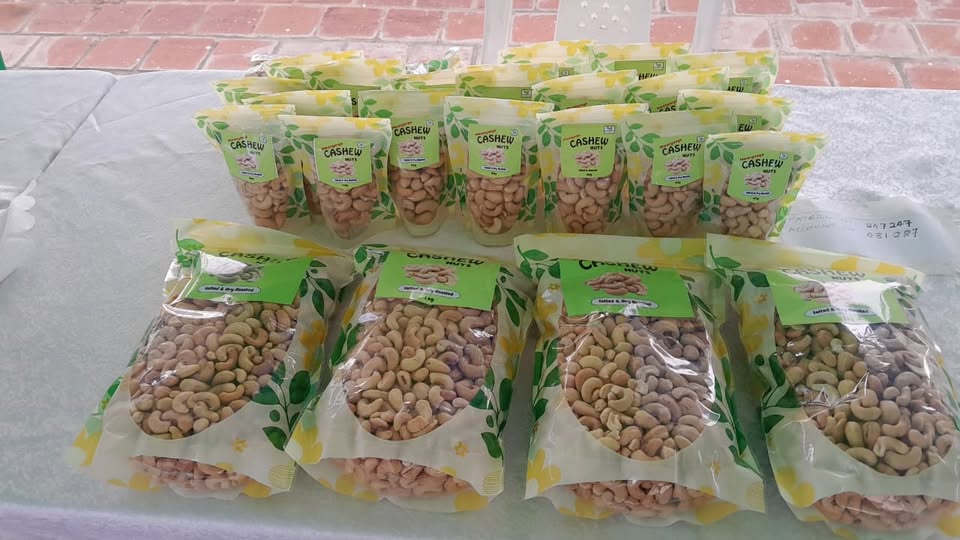
We support inspired community members of cashew growing areas with community-level value addition skills training, business skills and mentorship for cashew-based enterprises. The aim is to promote local value addition and marketing of higher value products as a way of retaining more of the cashew value within growing regions.
Building resilience
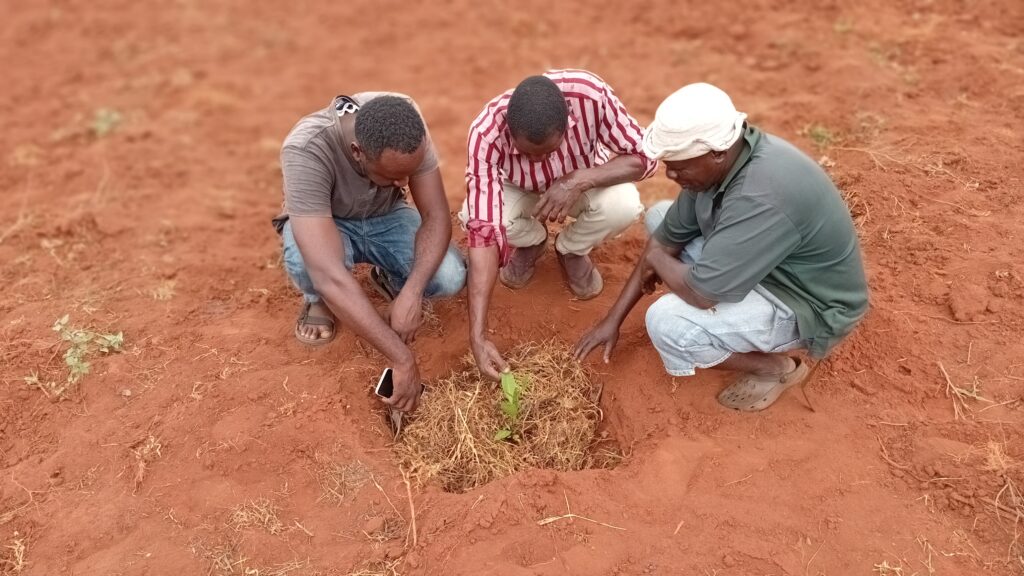
In order to build sustainable cashew economy, we support farmers to test and adopt low cost cashew growing approaches that are climate resilient and ecologically sound.
Our Projects
1. Farmers Together Project
We are organizing farmers into common interest groups called clusters
2. Better Market Project
Connecting farmers with better paying buyers, by-passing middlemen
3. Subsidy Seedlings Project
Linking farmers with government and other NGO projects that offer seedlings
4. Farmers Training Project
Training farmers on practical skills in sustainable cashew production.
5. Korosho Festival Project
An event that take communities to re-discover the true value of cashew.
6. Cashew Learning Farm Project
Farmers work with researchers to co-create solution to farming challenges
Key Milestones Achieved
Farmers mobilized
Seedlings
planted
Farmer
clusters
Strategic
buyer
Get Involved
A thriving cashew economy is possible. But it will take all of us. Join hands with MKOROSHONI to unlock the potential of cashew and create a more prosperous future for Kenyan cashew-growing communities.
Be Part of the Change